

Quick answer
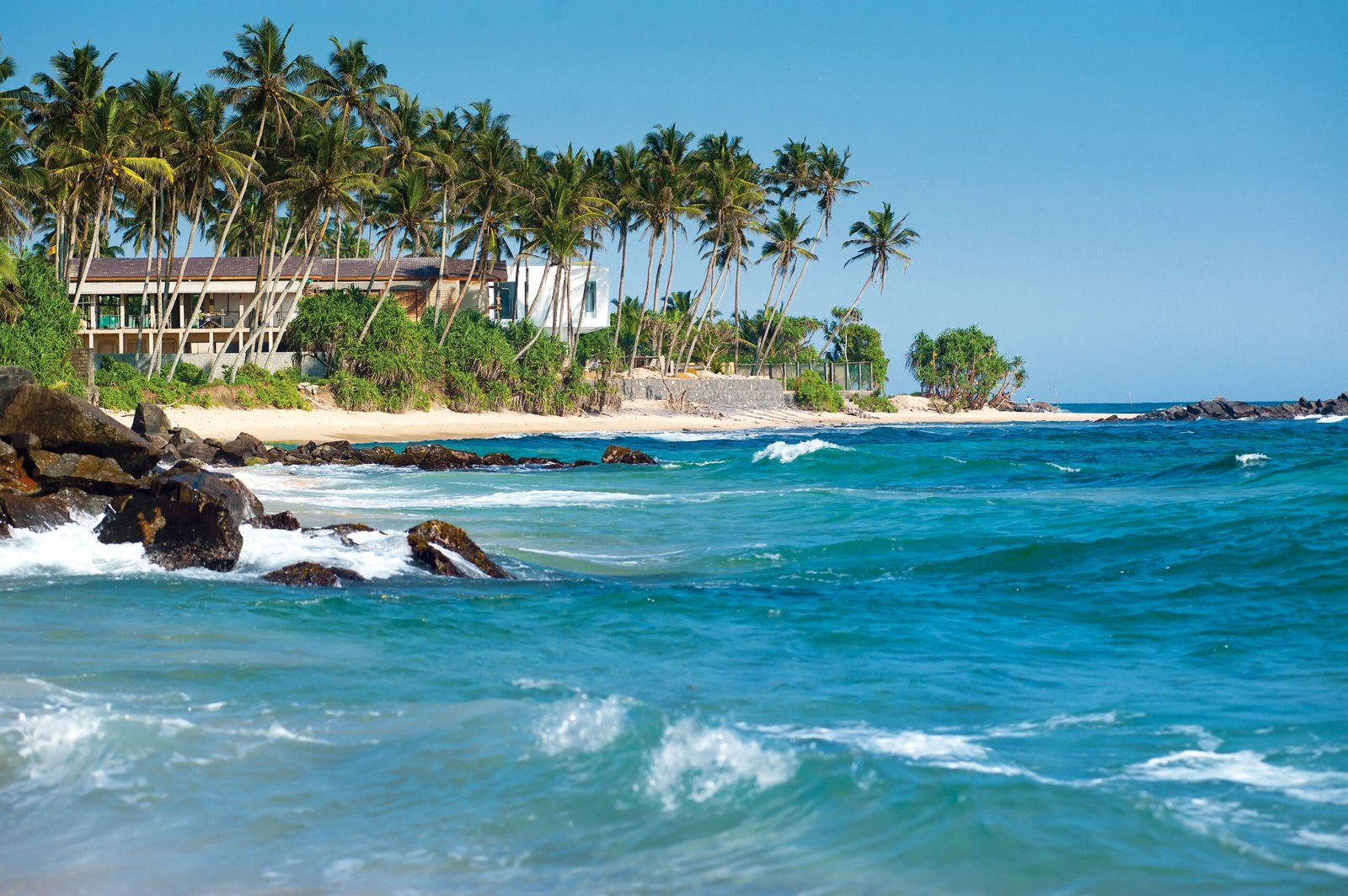
For any digital nomad, Sri Lanka is at its best in high season, from December to April on the south and west coasts, when dry, sunny weather makes beach towns such as Galle, Unawatuna and Weligama easy places to live and work. Most nationalities enter on an ETA, which is free for 40 countries since May 2026, and stays of up to a year are possible on the Digital Nomad Visa launched in February 2026.
Key facts
- High season: December to April on the south and west coasts; May to September on the east coast
- Short stays: an ETA is required, free for 40 countries including the UK, US, Canada and Australia since May 2026
- Long stays: the Digital Nomad Visa, valid for one year, needs a foreign income of at least USD 2,000 a month
- Time zone: UTC+5:30, with no daylight saving
- Mobile data: Dialog and SLT-Mobitel tourist SIMs are sold at the airport and work as a hotspot backup
Table of Contents
Is Sri Lanka Good for Digital Nomads?
Sri Lanka has become one of Asia’s easiest places to combine work and travel. The island is compact, with beaches, rainforest, tea country and colonial towns a few hours apart, and it now has a dedicated visa for remote workers. Living costs are lower than in most of Europe, and English is widely spoken in tourist areas.
This digital nomad Sri Lanka guide focuses on the high season, the months when the south coast is at its best. It covers where to base yourself, which visa you need, how reliable the internet is, and what to plan for when you are not at your laptop.
When Is High Season in Sri Lanka?
Sri Lanka has two monsoons, so there is almost always a dry coast somewhere. For most remote workers, high season means the south and west coasts from December to April, when the sea is calm, the days are sunny and the beach towns are at their liveliest.
| Region | Best months | What to expect |
| South and west coast (Galle, Unawatuna, Weligama) | December to April | Dry, sunny weather, calm seas and the busiest beach season |
| East coast (Arugam Bay, Trincomalee) | May to September | Dry season on the east, with the island’s main summer surf |
| Hill country (Kandy, Ella) | January to April | Cooler, drier weather in the tea country |
| Colombo | All year | City base with the most dedicated coworking hubs |
October and November bring inter-monsoon showers across much of the island. Arriving on the south coast in late November lets you settle in before the Christmas and New Year rush, when accommodation fills up and prices rise.
Where Should Digital Nomads Base Themselves in High Season?
In high season, most remote workers choose the south coast. Each base has a slightly different feel, so it helps to match it to how you like to work.
- Galle and Unawatuna: a historic fort town and a sheltered beach bay 5 km apart, with cafes, restaurants, a train line to Colombo and plenty to do after work
- Weligama and Ahangama: surf towns with a large remote-work community, long beginner-friendly beaches and plenty of laptop-friendly cafes
- Hiriketiya: a small horseshoe bay further east, quieter and slower-paced
- Colombo: the best choice for fast fibre, meeting rooms and city life, especially if you need reliable calls all day
Wherever you stay, check the work set-up before you commit to a long booking. Our guide to finding a coworking space Sri Lanka remote workers will be happy with explains what to look for, from Wi-Fi to backup power and seating.
What Visa Do You Need to Work Remotely in Sri Lanka?
For short stays, most visitors need an Electronic Travel Authorisation (ETA), which you apply for online before you fly. Since 25 May 2026 the ETA has been free for citizens of 40 countries, including the UK, the US, Canada, Australia and most of Europe. It gives 30 days with double entry, and you can apply to extend your stay through the Department of Immigration and Emigration. Apply only through the official ETA website.
For longer stays, Sri Lanka launched a Digital Nomad Visa in February 2026. It is valid for one year and can be renewed, and applicants need a monthly income of at least USD 2,000 from work for clients or employers outside Sri Lanka. Supporting documents include a police clearance certificate and a medical report, and the visa does not allow work for Sri Lankan companies. Details and the application are on the Department of Immigration and Emigration website. Visa rules and fees change, so check the official sites before you book.
How Good Is the Internet for Remote Work?
Mobile 4G covers Colombo and most coastal towns, and 5G is growing in Colombo and larger towns. A February 2026 Opensignal report put average mobile download speeds at around 18 to 19 Mbps on the two largest networks, Dialog and SLT-Mobitel, with Dialog rated best for coverage. Many cafes, guesthouses and coworking spaces on the south coast also have fibre connections.
- Buy a tourist SIM on arrival: Dialog and SLT-Mobitel both have counters in the arrivals hall at Colombo airport
- Keep a hotspot backup: use mobile data for important calls if the venue’s wifi drops
- Ask about backup power: short power cuts still happen, so look for a generator or battery backup
- Test before you commit: run a speed test on your first visit to any workspace or long-stay room
Your Digital Nomad Sri Lanka Checklist
- Time zone: Sri Lanka is UTC+5:30, so 9 AM in London is 2:30 PM here in winter, which makes European afternoons easy to cover
- Book early for December and January: long-stay rooms on the south coast fill up fastest over Christmas and New Year
- Ask for monthly rates: many guesthouses and boutique stays offer lower prices for stays of a month or more
- Getting around: tuk-tuks are cheap for short trips, and a rented scooter gives more freedom; wear a helmet
- Health: use mosquito repellent, especially at dawn and dusk, drink bottled or filtered water and carry travel health insurance
- Money: cards work in most cafes and hotels in tourist areas, but carry some rupees for tuk-tuks and small shops
Life Between Work Sessions
High season is also the best time to enjoy the coast when you log off. Morning surf before work is easy to fit in from December to April, and our guide to surfing in Sri Lanka covers the best breaks and when to go.
On weekends, the Galle Fort ramparts, Jungle Beach and the whale-watching boats from Mirissa are all within easy reach. Our list of tourist attractions in Galle has ideas for your days off.
Working From Skybreeze in Unawatuna
From the Skybreeze team
Skybreeze is a beachfront cafe, bar and boutique stay in Unawatuna, near Galle. Our collaborative work space looks out over the sea, and the cafe serves an all-day breakfast and brunch menu to keep you going through the working day. Above the cafe, our sea-view rooms with private balconies make it easy to stay for the season.
When you log off, the bar pours signature cocktails alongside wood-fired pizza, and Galle Fort is a short tuk-tuk ride away. If you are comparing places to stay in Galle for a working season by the beach, we would love to host you.
Frequently Asked Questions
Answers to the questions remote workers ask most about working from Sri Lanka.
Is Sri Lanka good for digital nomads?
Yes. Sri Lanka offers beach towns and city coworking hubs, living costs below most of Europe, widely spoken English in tourist areas and a Digital Nomad Visa launched in February 2026. With two monsoon seasons, there is almost always a dry coast to work from.
Does Sri Lanka have a digital nomad visa?
Yes. Sri Lanka launched a Digital Nomad Visa in February 2026. It is valid for one year, can be renewed, and requires a monthly income of at least USD 2,000 from clients or employers outside Sri Lanka. Apply through the Department of Immigration and Emigration.
When is the best time to work remotely from Sri Lanka?
For the south and west coasts, including Galle, Unawatuna and Weligama, the best time is December to April, when the weather is dry and sunny. From May to September, the east coast around Arugam Bay has its dry season instead.
Where do digital nomads stay in Sri Lanka?
In high season, most digital nomads base themselves on the south coast, in Galle and Unawatuna, Weligama and Ahangama, or Hiriketiya. Colombo suits those who need city coworking hubs and the fastest connections, while the east coast is popular from May to September.
Is the internet in Sri Lanka good enough for remote work?
Yes, for most remote work. Mobile 4G covers the main towns, and many cafes and stays on the south coast have fibre. Speeds vary by venue, so test the connection first, check for backup power and keep a local SIM as a hotspot backup.
What time zone is Sri Lanka in?
Sri Lanka is on UTC+5:30 all year, with no daylight saving. In winter it is 5.5 hours ahead of London and 4.5 hours ahead of central Europe, so European working afternoons fall in the Sri Lankan evening.
Related reading
About Skybreeze
Skybreeze is a beachfront cafe, bar and boutique stay in Unawatuna, near Galle, Sri Lanka, with all-day dining, sea-view rooms and a collaborative work space by the sea.