

Table of Contents
Sri Lanka’s coastline splits neatly into two surf seasons, which means the island is realistically a year-round destination for anyone willing to move coasts as the swell shifts. Anyone planning surfing in Sri Lanka around a single fixed date should build the trip around the region rather than the calendar month alone. Here’s how the seasons and regions break down, and where to base yourself for each.
The South and West Coast Season (November to April)
From November through April, the south and west coasts pick up consistent swell, making this the peak window for the beaches around Unawatuna, Weligama, and Hikkaduwa. Water stays warm, and the beach breaks around Weligama suit beginners especially well.
The East Coast Season (April to October)
As the south-west monsoon sets in, the east coast takes over. Arugam Bay becomes the centre of surfing in Sri Lanka during these months, with its famous right-hand point break drawing experienced surfers from across the region, and a lively town that fills up accordingly.
Where Beginners Should Start
Weligama’s long, gentle beach break remains the most forgiving spot for anyone new to surfing in Sri Lanka, with surf schools offering board hire and lessons right on the sand. Unawatuna’s bay is another easy option for a first few sessions, and instructors here are used to working with complete beginners.
Where Experienced Surfers Should Head
Beyond Arugam Bay, spots like Midigama on the south coast offer faster, more technical reef breaks for surfers looking to push past the basics without a long drive out of the Galle area. Okanda, further along the east coast, adds another option for those chasing less crowded lineups.
Packing and Practical Notes
Board rental is widely available at every major surf town, so travelling without your own board rarely limits where you can paddle out. Reef shoes are worth packing for the rockier breaks further south, and a lightweight rash guard covers most of the year’s sun exposure.
Surf Camps and Lessons
Multi-day surf camps have become common around Weligama and Arugam Bay, bundling accommodation, board hire, and daily lessons into one package. They suit travellers who want structured progress over a week or two rather than booking single sessions as they go, and most cater specifically to beginners and improvers.
Etiquette in the Lineup
Crowded breaks like Arugam Bay’s main point can get competitive during peak season, so a basic grasp of right-of-way and not dropping in on someone else’s wave goes a long way toward staying welcome in the water, especially at the more established spots.
What to Do Between Sessions
Most surf towns along both coasts have settled into a rhythm built around the tide charts, with cafes, yoga studios, and small guesthouses filling the gaps between morning and evening sessions. It’s rarely a wasted stretch of the day.
Choosing a Board
Beginners are usually better off on a longer, more stable soft-top board, while intermediate and advanced surfers will find a wider range of shortboards and fish shapes for hire at the more established rental shacks in Weligama and Arugam Bay.
Safety and Conditions
Rip currents can be strong at several beach breaks, particularly during bigger south coast swells, so checking conditions with a local surf school before paddling out alone is worth the few minutes it takes, especially for anyone new to the area.
Reading a Swell Forecast
Most surf schools and rental shacks post the day’s forecast on a whiteboard out front, covering swell size, wind direction, and tide timing. It’s a quick habit worth picking up early, since conditions can shift meaningfully between morning and afternoon sessions, and locals will usually give an honest read if you ask.
Non-Surfing Days
Flat spells happen even in peak season, and most surf towns have enough going on nearby to fill a day without a board. Waterfalls, tea estate day trips, and old town visits are all within reach of the main surf hubs on both coasts, which makes a rest day easy to plan around rather than something to wait out.
Combining Coasts in One Trip
A longer trip built around surfing in Sri Lanka can realistically cover both coasts, starting on the south or west side during the northern hemisphere winter and finishing on the east coast as the season shifts, with a few inland stops worked in between. It’s one of the easier ways to turn a single surf trip into a full circuit of the island.
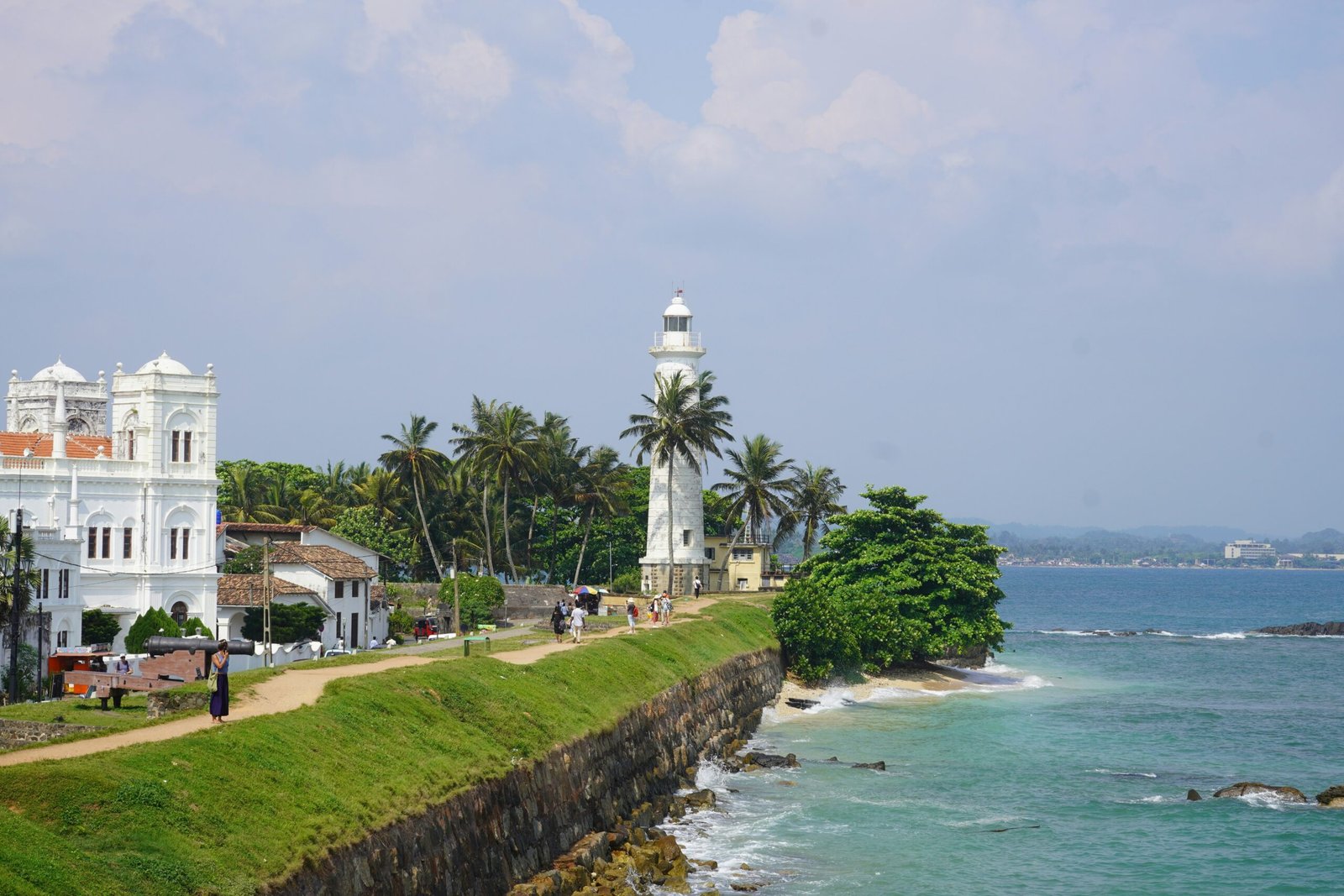
On rest days between sessions, some of the best tourist attractions in galle are only a short ride from the surf towns themselves, making it easy to split a trip between the water and the old town.
Planned around the right season and coast, a trip built around the water rarely means waiting on conditions. There’s almost always a break working somewhere on the island, which is part of what makes surfing in Sri Lanka such an easy habit to fall into.